Source Jacquard Metallic Silk Fabric for Garments, Bags, and Home Textile
Compare 30 listings of jacquard metallic silk fabric from suppliers in China. Buyers can evaluate specifications like width, material composition, and customization options for garment, bag, and home textile applications.
Key considerations
Products List




Comprehensive Sourcing Guide
Strategic Sourcing Guide for Jacquard Metallic Silk Fabric
Understanding Technical Specifications and Material Composition
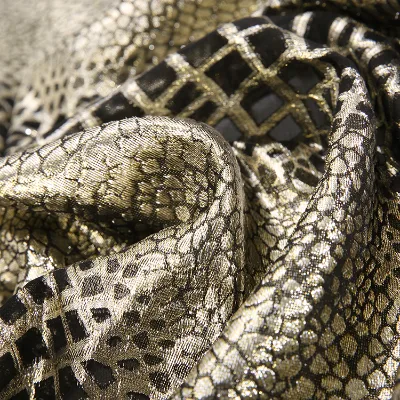
When sourcing jacquard metallic silk fabric, buyers must first establish a clear understanding of the technical specifications that define the product's quality and functionality. The core keyword implies a specific weaving technique where the pattern is created by the interlacing of warp and weft threads, rather than printed onto the surface. In the current market, high-confidence data indicates that Jacquard is a primary attribute for specific product lines, often paired with Raw Silk Grade 6A, which suggests a premium tier of raw material suitable for high-end applications.
The material composition is a critical differentiator. While the core search term specifies "silk," the market offers diverse blends. Buyers may encounter products labeled as 100% Silk, which adhere to standards such as 16 M/M (meters per kilogram, a measure of fineness) or 100% silk purity. However, other variations exist, such as blends containing 56% silk and 44% lurex, or combinations of 60% silk, 35% viscose, and 5% spandex. The inclusion of metallic elements, often referred to as Lurex or Metallic, adds a specific sheen and structural complexity. For instance, a product model identified as 75D METALLIC suggests a denier count of 75, indicating the thickness of the filament, which directly impacts the fabric's drape and opacity.
Width specifications vary significantly across suppliers. Observed data shows a range from 43/44 inches to 54/55 inches. This variance is crucial for pattern matching and waste calculation during garment manufacturing. The fabric weight also fluctuates; some listings indicate a range of 200-340 GSM (grams per square meter), while others provide specific measurements like 114cm/140cm/280cm, though the latter may refer to width rather than weight in certain contexts. Buyers should verify the exact GSM to ensure the fabric meets the structural requirements of the intended design, whether it is a flowing gown or a structured jacket.
Compliance, Certification, and Standard Verification
Navigating the compliance landscape for silk fabrics requires a nuanced approach, as the market is not uniformly standardized. While some product listings reference OEKO-TEX as a background standard, this should be treated as a general market expectation rather than a guaranteed attribute for every listed item. Buyers must explicitly request certification documents to confirm that the fabric is free from harmful substances, particularly when the material is intended for direct skin contact or children's wear.
The production standards vary by origin and manufacturer. Specific models, such as FSXY77 or FSBST024, may adhere to internal company standards like 16 M/M or specific blend ratios like 56% silk 44% lurex. It is imperative to verify if the supplier adheres to international quality benchmarks or if they operate under "as customer request" standards, which is noted in some product attributes. This flexibility can be advantageous for custom orders but requires rigorous quality assurance protocols on the buyer's part.
Furthermore, the origin of the fabric plays a role in compliance. The majority of the observed supply originates from China, specifically regions like Jiangsu, Wu Jiang, and Shengze. These regions are known for their silk weaving capabilities, but buyers should ensure that the specific factory meets local environmental regulations and labor standards. The presence of functional attributes such as Waterproof, Shrink-Resistant, Tear-Resistant, Anti-Static, and Flame Retardant capabilities in certain product lines indicates that the fabric may have undergone chemical treatments. Buyers must verify the safety of these treatments through Material Safety Data Sheets (MSDS) and ensure they align with the destination market's regulatory requirements.
Cost Drivers and Pricing Dynamics
The pricing of jacquard metallic silk fabric is influenced by a complex interplay of material costs, weaving complexity, and order volume. The observed price range in the market spans from $0.65 to $35.50 per unit, a wide variance that reflects differences in silk grade, metallic content, and production techniques. The Raw Silk Grade 6A is a significant cost driver, as higher grades command a premium due to their superior texture and luster. Similarly, the inclusion of Lurex or metallic threads increases the material cost, as these fibers are more expensive to produce than standard silk or cotton.
Minimum Order Quantity (MOQ) is another critical factor affecting the unit cost. The observed MOQ range is extensive, spanning from 1 to 5000 units. Some suppliers offer low MOQs, such as 300mts, which is beneficial for small businesses or prototype development. However, larger orders typically benefit from economies of scale, reducing the per-unit cost. Buyers should note that "Make-to-Order" supply types are common, which can impact the final price depending on the complexity of the customization requested.
Customization is a major cost variable. Attributes such as Customization: Available and Custom: Accept indicate that buyers can request specific patterns, colors, or blends. While this flexibility is valuable, it often incurs additional setup fees or higher per-unit costs compared to standard stock items. The Style of the fabric, whether Plain Dyed, Printed, or Yarn Dyed, also influences pricing. Yarn-dyed fabrics, for instance, often require more complex dyeing processes before weaving, leading to higher costs. Additionally, the Handfeel of the fabric, described as Soft to Touch or Smooth, may require additional finishing processes that add to the overall expense.
Typical Applications and Functional Performance
The versatility of jacquard metallic silk fabric makes it suitable for a wide array of applications. The primary usage is in Garment manufacturing, including high-end dresses, evening wear, and formal attire. The metallic sheen provided by Lurex or similar fibers adds a luxurious aesthetic that is highly sought after for special occasion wear. Beyond garments, the fabric is also utilized in Home Textile applications, such as Bedding and Decoration, where the intricate Jacquard patterns and soft Handfeel contribute to a premium interior design.
Specific product models highlight diverse functional capabilities. For example, some fabrics are engineered with Waterproof, Shrink-Resistant, and Tear-Resistant properties, making them suitable for Bag and Lining applications where durability is paramount. The Application list often includes Dress, Lining, and Bedding, indicating the fabric's adaptability across different product categories. The Weight of the fabric, ranging from lighter variants to heavier options at 200-340 GSM, determines its suitability for different garment structures. Heavier fabrics may be preferred for structured jackets or drapes, while lighter variants are ideal for flowing skirts or blouses.
The Pattern and Style also dictate the application. Plain patterns with Jacquard weaving are versatile for various designs, while Printed or Yarn Dyed styles offer specific aesthetic outcomes. The Art No. and Model numbers, such as Fsbst024 or FSST019, help buyers identify specific textures and finishes that align with their design requirements. The Function of the fabric, including Anti-Static and Flame Retardant properties, is particularly relevant for commercial applications like hotel linens or public venue decorations where safety standards are strict.
Supplier Evaluation and Origin Analysis
Evaluating suppliers for jacquard metallic silk fabric requires a focus on their location, production capabilities, and customization flexibility. The majority of the supply originates from China, with key hubs in Jiangsu, Wu Jiang, and Shengze. These regions have established infrastructure for silk production, but buyers should verify the specific factory's capacity to handle their order volume and quality expectations. The prod_origin field is a reliable indicator of the supply chain's geographic center, but it does not guarantee the quality of the final product without further due diligence.
Customization capabilities are a key differentiator among suppliers. Many suppliers offer Customization: Available and accept Custom requests, allowing buyers to tailor the fabric to their specific needs. The Supply Type is often Make-to-Order, which implies a collaborative process between the buyer and the supplier. Buyers should assess the supplier's ability to meet specific Color requests, as Customer Requested colors are a common requirement. The Sample availability, often provided in A4 size, is a critical step in the evaluation process, allowing buyers to physically inspect the Handfeel, Weight, and Pattern before committing to a large order.
The prod_packing method, whether Rolls, Carton, or All Type of Package Is Avaible, is another factor to consider. Proper packaging ensures the fabric arrives in pristine condition, preventing damage during transit. Suppliers who offer flexible packing options demonstrate a commitment to customer satisfaction and logistics efficiency. Additionally, the Lead Time is a crucial metric for supply chain planning. While some listings state Lead Time: Can Be Negotiated, buyers should seek specific timelines to ensure timely delivery, especially for time-sensitive projects.
Quality Control and Long-Term Procurement Strategy
Implementing a robust quality control (QC) strategy is essential when sourcing jacquard metallic silk fabric. Given the wide range of observed attributes, from 100% Silk to complex blends, buyers must establish clear acceptance criteria. The Handfeel of the fabric, described as Soft to Touch or Smooth, should be verified against physical samples. Buyers should also test for Shrink-Resistant and Tear-Resistant properties, especially for fabrics intended for heavy use or specific functional applications.
Long-term procurement considerations involve building a relationship with suppliers who can consistently meet quality standards and delivery schedules. The MOQ range of 1-5000 offers flexibility, but buyers should aim to negotiate favorable terms for repeat orders. Establishing a standard for Raw Silk Grade and Width consistency will help maintain product quality across different batches. The prod_model numbers, such as FSXY77 or FSST019, serve as reference points for future orders, ensuring that the same specifications are reproduced.
Buyers should also consider the Art No. and Style consistency. Variations in Printed or Yarn Dyed styles can affect the final look of the product. Regular communication with the supplier regarding Color accuracy and Pattern alignment is vital. Additionally, verifying the Standard compliance, such as 16 M/M or specific blend ratios, ensures that the fabric meets the intended performance requirements. By focusing on these details, buyers can mitigate risks and ensure a successful, long-term procurement strategy for jacquard metallic silk fabric.
Comparative Analysis of Fabric Attributes
To assist buyers in making informed decisions, the following table summarizes key attributes observed in the market for jacquard metallic silk fabric. This comparison highlights the diversity in specifications, helping buyers identify the most suitable options for their specific needs.
| Attribute | Observation A | Observation B | Observation C |
|---|---|---|---|
| Material | 100% Silk | 56% Silk, 44% Lurex | 60% Silk, 35% Viscose, 5% Spandex |
| Pattern | Jacquard | Plain | Jacquard |
| Width | 54/55" | 43/44" | 114cm/140cm/280cm |
| Weight | 200-340 GSM | N/A | N/A |
| Standard | 16 M/M | 56% Silk 44% Lurex | As Customer Request |
| Origin | China, Jiangsu | Wu Jiang | Shengze |
| MOQ | 1 | 300mts | 5000 |
| Packing | Rolls | Carton | All Type of Package |
| Function | Waterproof, Shrink-Resistant | N/A | Anti-Static, Flame Retardant |
This table illustrates the significant variation in product offerings. Buyers must carefully match these attributes to their project requirements, ensuring that the selected fabric meets both aesthetic and functional criteria. By leveraging this data, buyers can navigate the complex market of jacquard metallic silk fabric with confidence and precision.
FAQs
What is the raw silk grade for high-quality options?
High-quality options often feature Raw Silk Grade 6A, which indicates a premium tier of material. This grade ensures superior texture and luster suitable for high-end garment applications like evening wear and formal dresses.
Which widths are available for this fabric?
Available widths typically range from 43/44 inches to 54/55 inches. Buyers should verify the specific width required for their pattern matching and waste calculation needs before placing an order.
Can buyers request custom colors and patterns?
Yes, customization is available for colors and patterns upon request. Suppliers often accept custom requests for styles like plain dyed or yarn dyed, allowing for tailored designs that meet specific aesthetic requirements.
What are the typical minimum order quantities?
Minimum order quantities vary significantly, ranging from 1 unit up to 5000 units depending on the supplier. Some listings specify an MOQ of 300 meters, while others offer flexible terms for smaller prototype orders.
How is the fabric packed for shipment?
The fabric is commonly packed in rolls or cartons, though all types of packages are available. Proper packaging ensures the material arrives in pristine condition, preventing damage during transit to the buyer's location.
Where is the primary production origin?
The primary production origin is China, specifically in regions like Jiangsu, Wu Jiang, and Shengze. These areas are known for their established silk weaving capabilities and infrastructure for fabric production.
What functional properties does the fabric offer?
Some variants offer functional properties such as waterproof, shrink-resistant, and tear-resistant capabilities. These features make the fabric suitable for applications like bags, linings, and home textiles requiring durability and safety.